

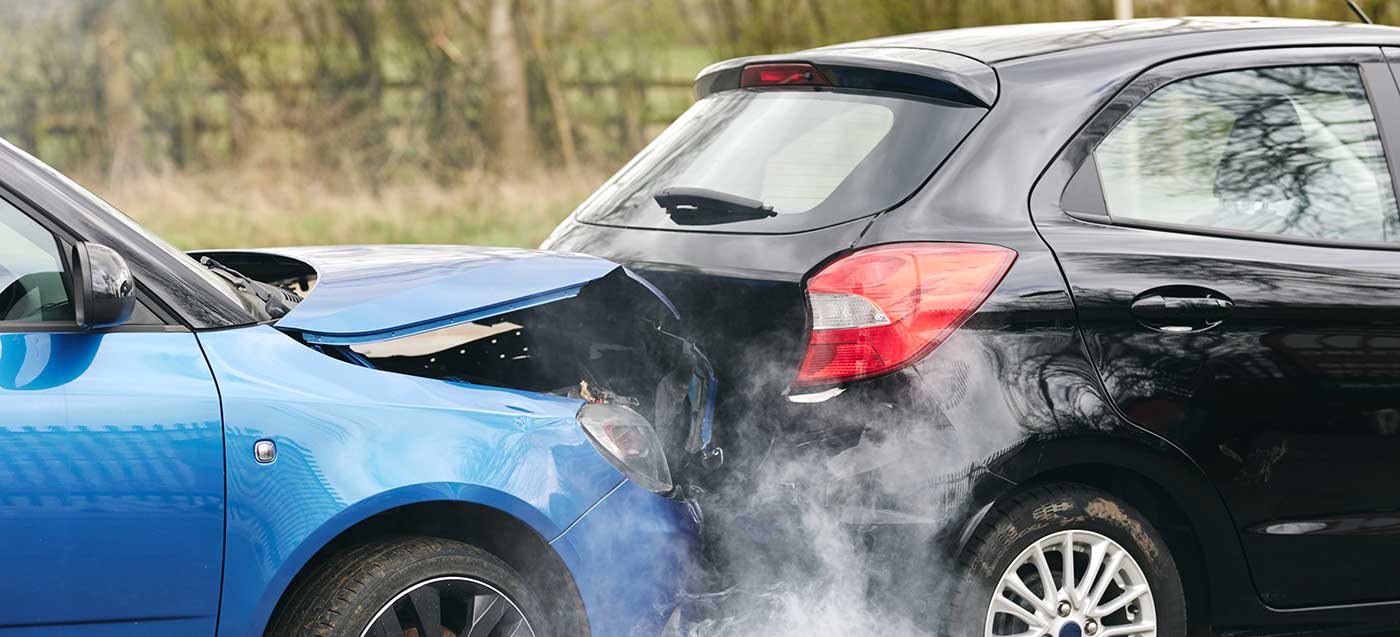
How much is my car worth after an accident?
If your vehicle has been involved in a collision, one of the first questions you will likely ask is: Is my car still worth the same?
In the 2026 Kenyan car market, where buyers are more tech-savvy and “accident history” checks are standard, the answer is usually no. Even a perfectly repaired car carries a “stigma” that affects its price.
An accident stays with a car long after the repairs are finished. Even with a flawless fix, the mere presence of a collision on a vehicle history report creates a ‘stigma’ that can slash its market value by 10% to 30% instantly.
To fully understand the financial impact of a collision, you must look at the “As-Is” Value—what the car is worth while still sitting in a damaged state before any repairs are made.
In the 2026 Kenyan market, this is often called the Salvage Value.
The “Repair or Sell” Dilemma
Before you send your car to the garage, you need to compare two numbers:
- The Cost of Repair: The actual quote from the mechanic.
- The Drop in Value: The difference between your car’s Pre-Accident Value and its Salvage Value.
If the repairs cost KSh 600,000 but the car only loses KSh 400,000 in value by being sold “as-is,” it is actually more profitable to sell the wreck and buy a different vehicle.
How “As-Is” Value is Calculated in Kenya
Valuers use a “Bottom-Up” approach to determine what your car is worth before repairs:
- The 30% Rule: For popular models like the Toyota Fielder or Isuzu D-Max, the salvage value is often roughly 30% to 40% of its pre-accident market price. This is because the demand for “spare parts” (engines, gearboxes, and intact doors) is extremely high in Kenya.
- The Component Audit: A valuer will check which “high-value” parts survived. If the engine and transmission are untouched but the body is mangled, the car retains significant value. If the engine is cracked, the value drops to “scrap” levels (usually measured by weight).
- The Total Loss Threshold: Most Kenyan insurers declare a “Total Loss” if the repair costs exceed 70% to 75% of the car’s insured value. At this point, the “As-Is” value is the only number that matters for your settlement.
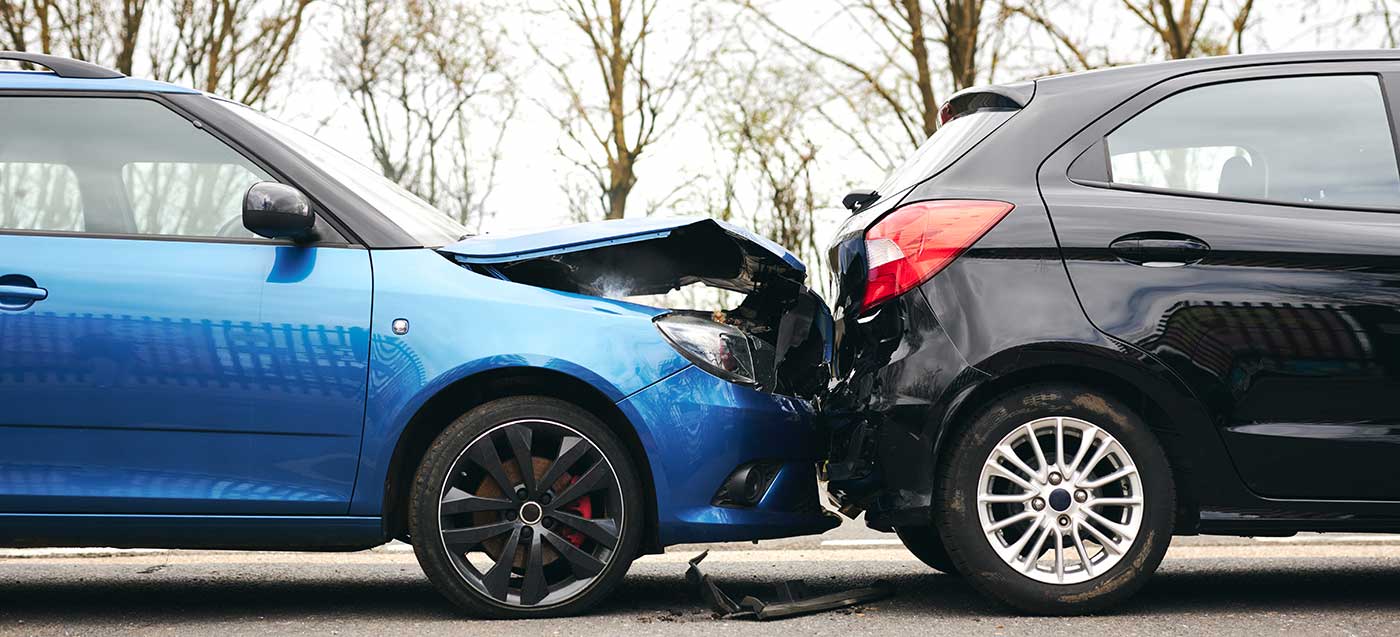
Why You Might Sell Before Repairing
- Speed: Repairs for modern 2026 models can take weeks due to global spare parts logistics. Selling “as-is” to a specialized buyer gives you instant cash to get back on the road.
- Safety Transparency: Many sellers prefer the “As-Is” route to avoid the ethical dilemma of hiding a major repair from a future buyer. You sell it as a “project car,” and the buyer takes the risk.
- Avoiding “Hidden” Costs: Once a garage starts stripping a crashed car, they almost always find “secondary” damage that wasn’t in the initial quote. Selling “as-is” locks in your loss so it doesn’t spiral.
Understanding “Diminished Value”
Even if your car looks brand new after leaving the garage, it has suffered what experts call Inherent Diminished Value.
In Kenya, a car with a “clean” history will always command a higher price than one with an accident record, even if the repairs were done at an official dealership like Toyota Kenya or Isuzu EA. On average, you can expect a 10% to 25% drop in resale value depending on the severity of the impact.
The Three Levels of Accident Impact
When a valuer looks at your car after an accident, they categorize the damage into three tiers:
- Tier 1: Cosmetic Damage: Scratched bumpers, broken headlamps, or minor dings. If repaired professionally, these have a minimal impact on value (approx. 2–5% drop).
- Tier 2: Structural/Panel Damage: Dented doors, crumpled fenders, or deployed airbags. This suggests a significant impact and can slash 15–20% off your valuation.
- Tier 3: Chassis/Frame Damage: If the “bones” of the car were bent or straightened, the vehicle is often flagged. In 2026, most banks and insurers view these as high-risk, leading to a 30% to 50% loss in value.
The “Repair Quality” Multiplier
Where you fix your car matters as much as what you fix.
- Authorized Service Center: Using genuine parts and getting a “Certificate of Repair” helps retain more value.
- Backstreet Garages: Using “second-hand” parts or poor paint-matching will cause your valuation to plummet. Valuers look for “overspray” and mismatched panel gaps as immediate red flags.
“An accident doesn’t just damage metal; it damages trust. The only way to restore that trust, and your car’s value, is through transparent, high-quality documentation of the repair process.”
You don’t have to guess. Whether you are planning to sell or negotiating with an insurer, an accurate valuation is your best weapon. With 43 branches across Kenya, we specialize in post-accident assessments that help you get the fair market price you deserve.


Leave a Reply